Designing a retention strategy grounded in customer value
How we discovered what actually drives recurring behaviour before building a loyalty program.
Context
Customer retention was one of Liv Up's biggest product challenges. Customers enjoyed their first experience with the brand, but many didn't develop a consistent purchasing habit. Improving retention had become increasingly important, both to strengthen long-term customer relationships and to offset the rising cost of customer acquisition.
Unlike most projects, we weren't given a solution to execute. The challenge presented to me and the Product Manager was simply: How might we increase customer retention?
At that point, there was no squad, no roadmap and no predefined direction. Our responsibility was to understand the problem, identify the opportunity and define what should be built before a dedicated team was even formed.
There was, however, one important piece of context. Liv Up had previously launched a subscription model with the same objective of increasing retention. The initiative had failed to deliver the expected results and could easily have been interpreted as evidence that subscription wasn't the right approach.
I deliberately avoided that conclusion. Before discarding an entire product strategy, it was important to understand why it had failed. One possibility was that the subscription model itself wasn't the right solution. Another was that we simply hadn't created enough perceived value for customers to change their behaviour. Understanding that distinction became the starting point for the project.
Understanding the problem before defining the solution
Rather than jumping into solution mode, we focused on understanding the problem from multiple perspectives. Together with the Product Manager, I revisited previous research, analysed customer feedback and reviewed the earlier subscription initiative to understand where it had fallen short.
At the same time, I conducted a benchmark across loyalty and retention programs from different industries, looking beyond food delivery to understand which mechanisms consistently encouraged customers to return and which quickly lost relevance.
In parallel, the Product Manager worked with business stakeholders to understand commercial expectations, operational constraints and long-term business objectives. Although we each led different parts of the discovery, we worked closely throughout the process to continuously connect user needs with business priorities.
I also facilitated collaborative workshops to help the team align on the problem before discussing solutions. Using activities such as CSD (Certainties, Suppositions and Doubts), How Might We and other alignment exercises, we challenged assumptions, defined the boundaries of the opportunity and established a shared understanding of what the product should — and should not — solve.
By the end of this phase, we weren't trying to validate a predefined solution. We had built a shared understanding of the problem and established enough confidence to investigate what customers actually valued before deciding which product to build.
Discovering what customers actually valued
With a shared understanding of the problem, I led the research strategy to identify what would genuinely motivate customers to return. Working closely with UX Research and Customer Insights, I defined the learning objectives, discussion guide and overall research approach. We combined qualitative interviews, which I led, with a quantitative study conducted by the Customer Insights team using a questionnaire I designed.
For the qualitative research, I was responsible for participant recruitment, incentive definition, interview moderation and synthesis of the findings. Throughout the sessions, I alternated between moderating and observing alongside the Product Manager, allowing us to capture both behavioural patterns and emerging opportunities.
Rather than evaluating a specific solution, we explored how customers perceived loyalty programs in their everyday lives. We wanted to understand which programs they actively used, which they abandoned and, most importantly, what made a loyalty program valuable enough to change their behaviour.
The research challenged several assumptions we had at the beginning of the project. Rather than looking for increasingly sophisticated loyalty programs, customers consistently valued experiences that felt simple, transparent and achievable. Programs that required excessive effort, offered negligible returns or expired before customers could accumulate meaningful value were often perceived as unfair rather than rewarding.
Another important pattern emerged around sustainability. Liv Up's customers were highly engaged with environmental issues and repeatedly rejected disposable gifts or promotional items that would quickly become waste. Rewards only created perceived value when they aligned with the values that had attracted customers to the brand in the first place.
Together, these insights fundamentally changed our understanding of retention. The challenge wasn't to create more benefits. It was to design a program that customers genuinely believed was worth participating in.
Turning research into product principles
Before exploring solutions, I led synthesis sessions with the Product Manager and cross-functional stakeholders to translate these learnings into a set of product principles that would guide every subsequent decision.
Together, we concluded that the program needed to be:
- Simple to understand
- Accessible to the entire customer base
- Achievable, allowing customers to reach meaningful rewards without excessive effort
- Fair, offering benefits that customers perceived as valuable and aligned with their expectations
These principles became the foundation for every product decision that followed. Instead of starting with mechanics such as points, tiers or gamification, we first defined the experience we wanted customers to have and the behaviours we wanted to encourage. Only after aligning on those principles did we commit to building a loyalty program.
Designing the product
With clear product principles in place, I led the definition of the loyalty program alongside the Product Manager, translating research into a product strategy that balanced customer needs with business objectives.
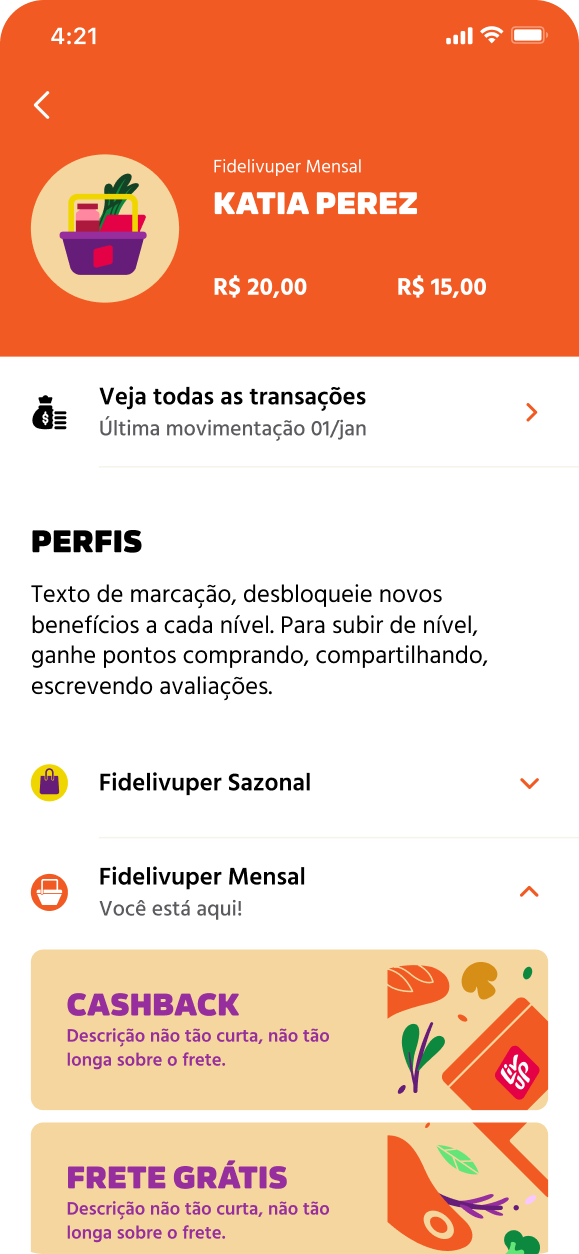
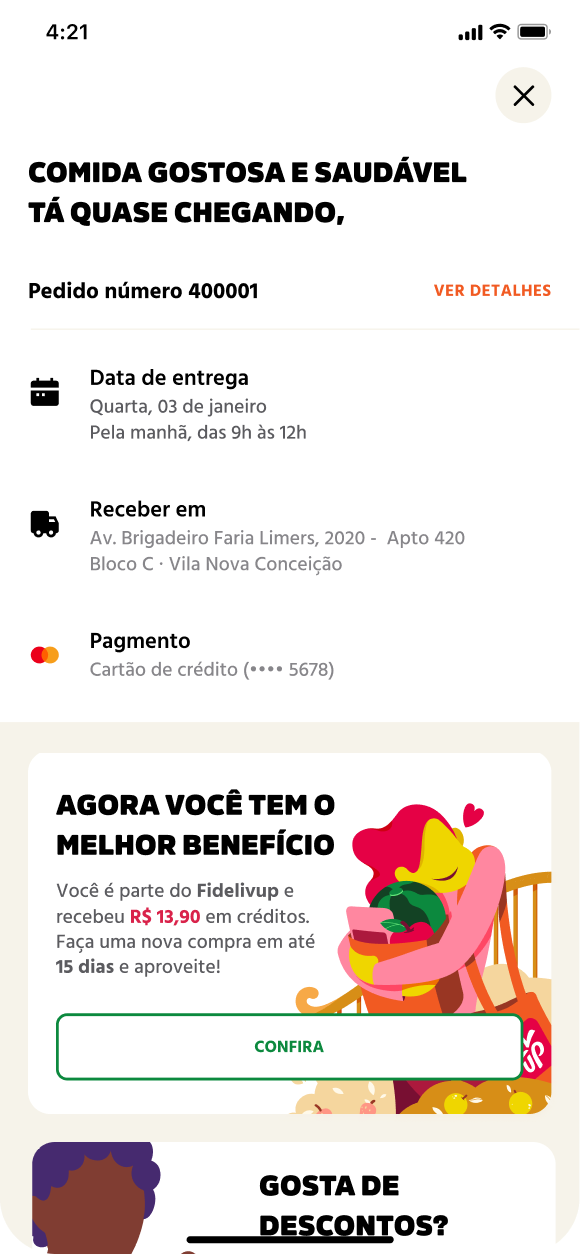
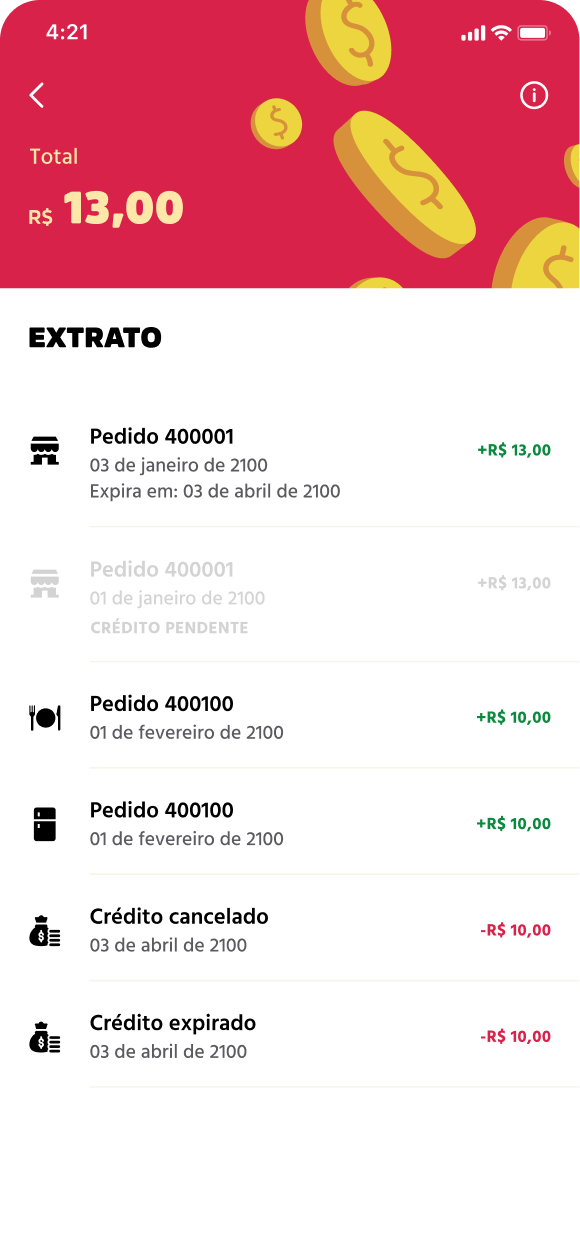
Together, we defined the core mechanics of the program, including how customers would earn rewards, when they could redeem them, how long benefits would remain valid and which gamification elements genuinely contributed to the experience.
These decisions required continuous collaboration across Product, Marketing, Finance and Operations. Throughout those discussions, I consistently brought customer evidence into the conversation to evaluate trade-offs and ensure that business decisions remained aligned with what we had learned during discovery.
The research gave us a clear direction. Customers consistently rejected programs that felt difficult to understand, impossible to benefit from or unfair in the value they returned. Those principles became the criteria we used to evaluate every product decision.
Rather than optimising individual features, we focused on designing a system that customers would perceive as transparent, achievable and genuinely worthwhile over time.
Validating the experience
As the project evolved and the loyalty squad was officially formed, I led the product experience from concept to high-fidelity prototypes, working closely with Engineering and Business Analysis through regular co-creation sessions.
Before testing with customers, I conducted an internal unmoderated validation using Maze with employees outside Product, Design and Engineering. The objective wasn't to validate the business strategy, but to identify major usability issues before investing in customer research.
The results confirmed that participants clearly understood the value proposition while also revealing opportunities to simplify how the program mechanics were communicated. We incorporated those learnings before moving into customer validation, improving the experience while preserving the principles established during discovery.
Defining the MVP
Although the long-term vision included additional benefits and more advanced engagement mechanics, I advocated for validating the program's core value proposition before investing in a more complete experience.
Together, we defined an MVP focused on validating whether meaningful and achievable rewards were enough to influence customer behaviour. The first version delivered only the minimum experience required for customers to earn and redeem rewards. More advanced mechanics, additional benefits and richer gamification were intentionally postponed until we had evidence that the core proposition was effective.
This approach reduced delivery risk, accelerated learning and allowed us to evolve the product based on real customer behaviour rather than assumptions.
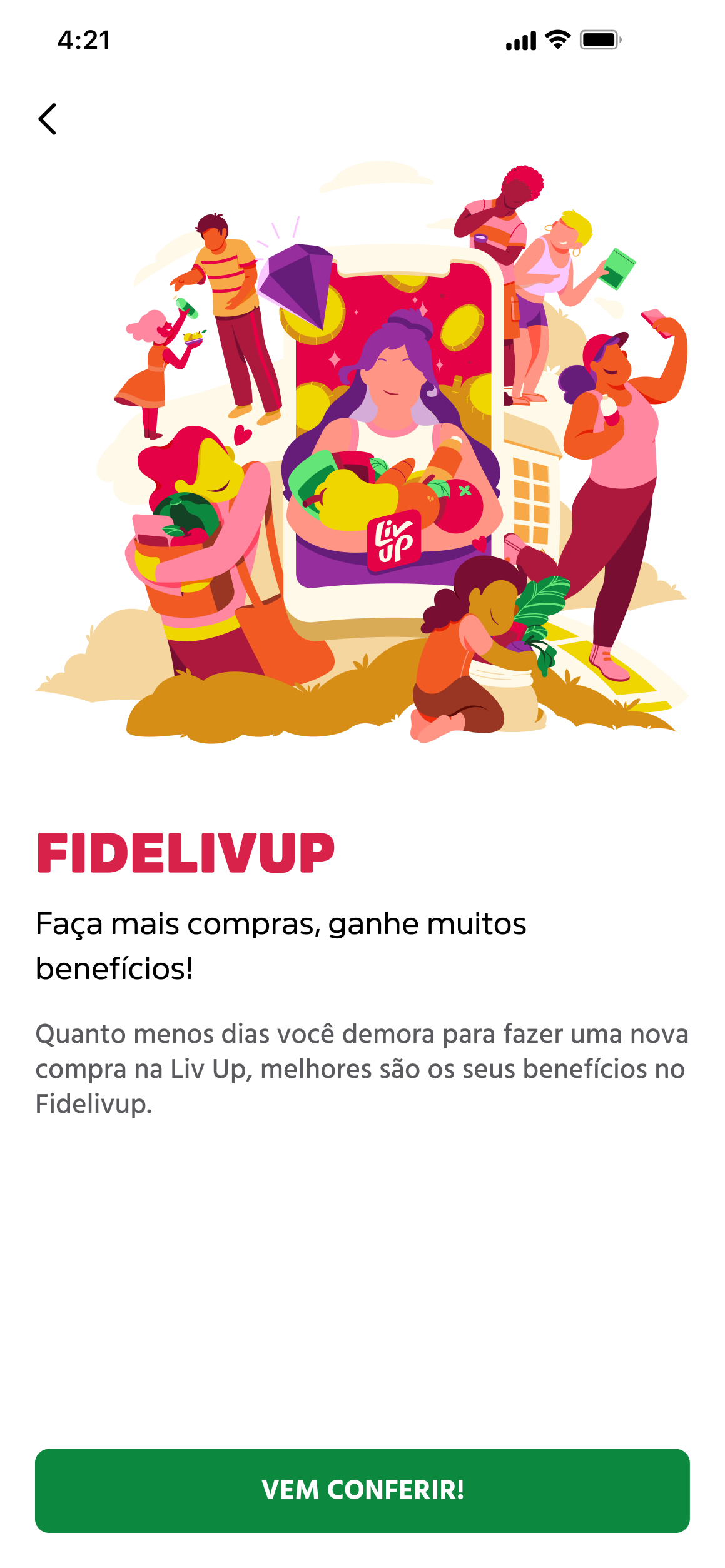
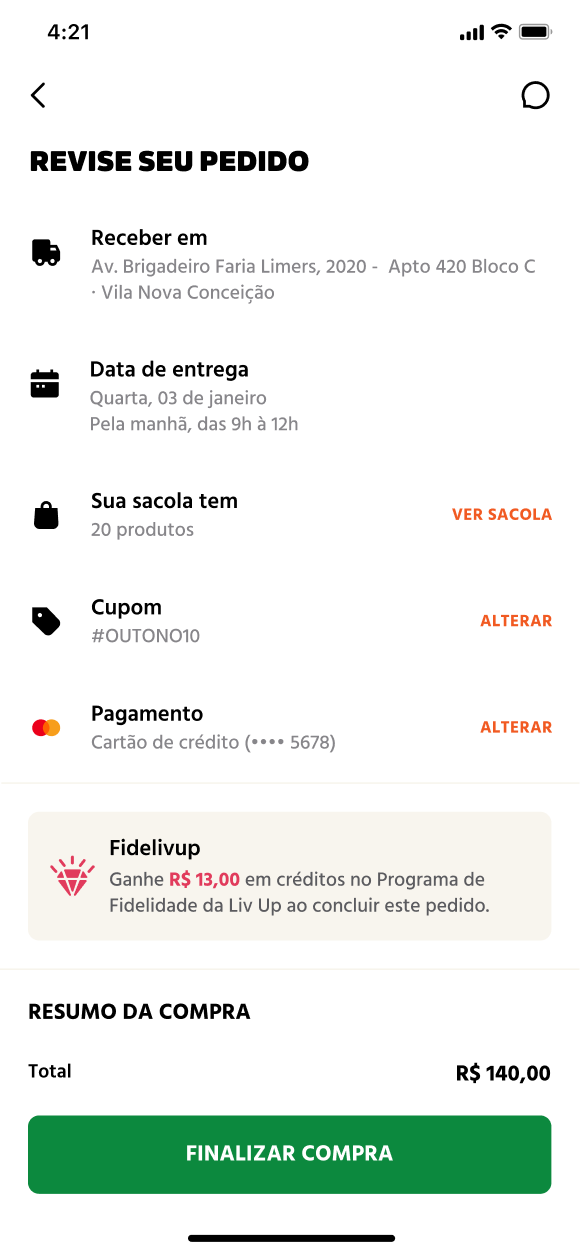
While the team developed the MVP, I partnered with Marketing and Brand Design to define the program's identity, including its name, visual language and tone of voice. That collaboration resulted in Fidelivup, Liv Up's first loyalty program.
Launch and continuous discovery
We launched Fidelivup as an A/B test to isolate the impact of the loyalty program from seasonal effects and marketing campaigns, allowing us to evaluate its influence on customer behaviour with greater confidence.
The initial results validated the program's core value proposition and gave us confidence to continue investing in the product.
After launch, our focus shifted to continuous discovery. Every week, we conducted interviews and analysed customer feedback to understand how customers perceived the program, identify friction points and uncover opportunities for improvement.
This continuous feedback loop allowed us to evolve the product based on real customer behaviour. As confidence in the core proposition grew, we introduced capabilities that had intentionally been postponed from the MVP, including richer visual elements and additional engagement mechanics.
As the discovery cadence gave way to a more stable, well-understood product, I transitioned from leading product discovery to helping ensure the initiative could continue evolving successfully. Together with my Design Manager, I helped define which designer would be best positioned to lead the product after the MVP, considering both the product's upcoming challenges and each designer's strengths. This transition helped preserve the product vision established during discovery while setting the team up for its next stage of evolution.
Outcomes
The product successfully validated the retention strategy and established the foundation for Liv Up's loyalty offering. Compared to the control group, the program achieved:
- +15.5% increase in new customer retention
- +4.3% increase in repeat purchases among retained customers
- +11% increase in average order value
The project also marked the beginning of Liv Up's retention strategy, which later evolved into a dedicated product squad.
Reflection
An unsuccessful product shouldn't automatically be treated as an unsuccessful idea.
This project fundamentally changed how I approach product discovery. It reinforced that before discarding a solution, it's essential to understand whether the problem lies in the concept itself or in how it was designed, positioned or validated.
That mindset has shaped every ambiguous product problem I've worked on since. I invest first in understanding the problem, validating the core value proposition early and allowing evidence to guide product decisions before expanding the solution.